
This is a write-up of a talk I gave at a WING session in April 2024. The numbers are from roughly one month after launch.
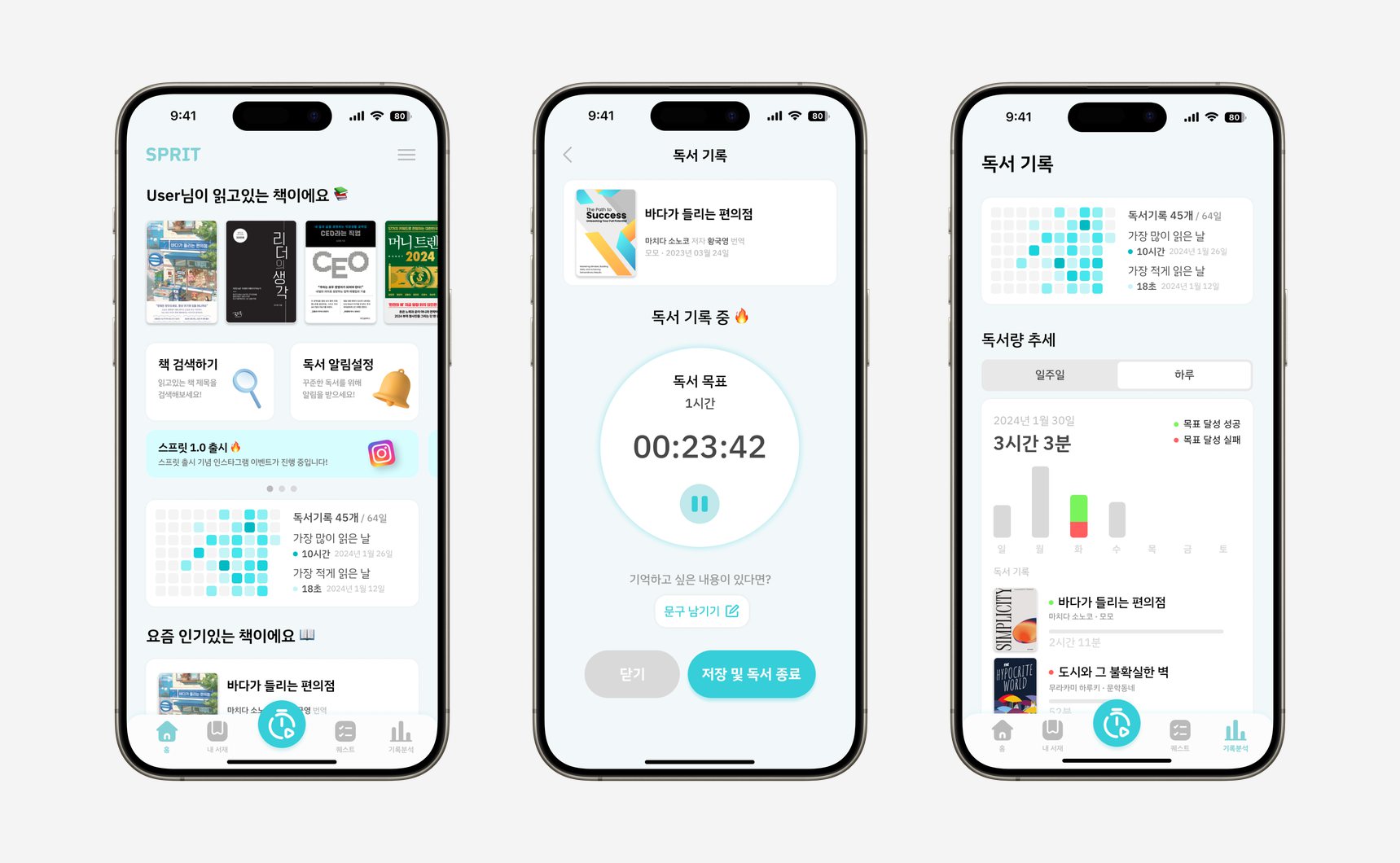
What SPRIT is
SPRIT is a personal reading-log app built around forming a steady reading habit. You add the book you are reading, start a timer, read, and watch the record build up. Judged by features alone, there are plenty of reading-log apps. The difference is where the weight sits: on the habit rather than the log. The features are there to make you read tomorrow as well as today, not to tell you how much you read today.
Why I built it
The start was simple. I wanted to read consistently and could not, and the apps I used were good at recording but did nothing to build a habit. Around the same time I kept running into stories of solo developers shipping and monetising apps on their own, and the two things overlapped into "build something alone and ship it, end to end". I surveyed the existing services, saw that there were many, and still did not find the one I wanted to use. That was reason enough.
Planning and building
Planning took about two months, September to October 2023. I wrote a first idea down in Notion, refined it, and kept a separate page for things that just came to mind. The reference pile was wide: GitHub's contribution graph, other reading apps, even the UI of a transit app. The name and the branding were settled in this period too.
The first commit was on 7 November 2023. The stack: Flutter for the app, NestJS for the server, Figma for design. I wired up Apple and Kakao sign-in and drew every screen in Figma before building it. Real speed only came after final exams, and the app went on the stores on 7 March 2024. Six months from planning to launch, four of them actual development.
How I found the first users
Three things.
- Friends. The surest method, with the clearest ceiling.
- Communities. A launch post on Disquiet, plus early-user platforms like Earningbirds.
- Instagram ads. A small test.
The ad results:
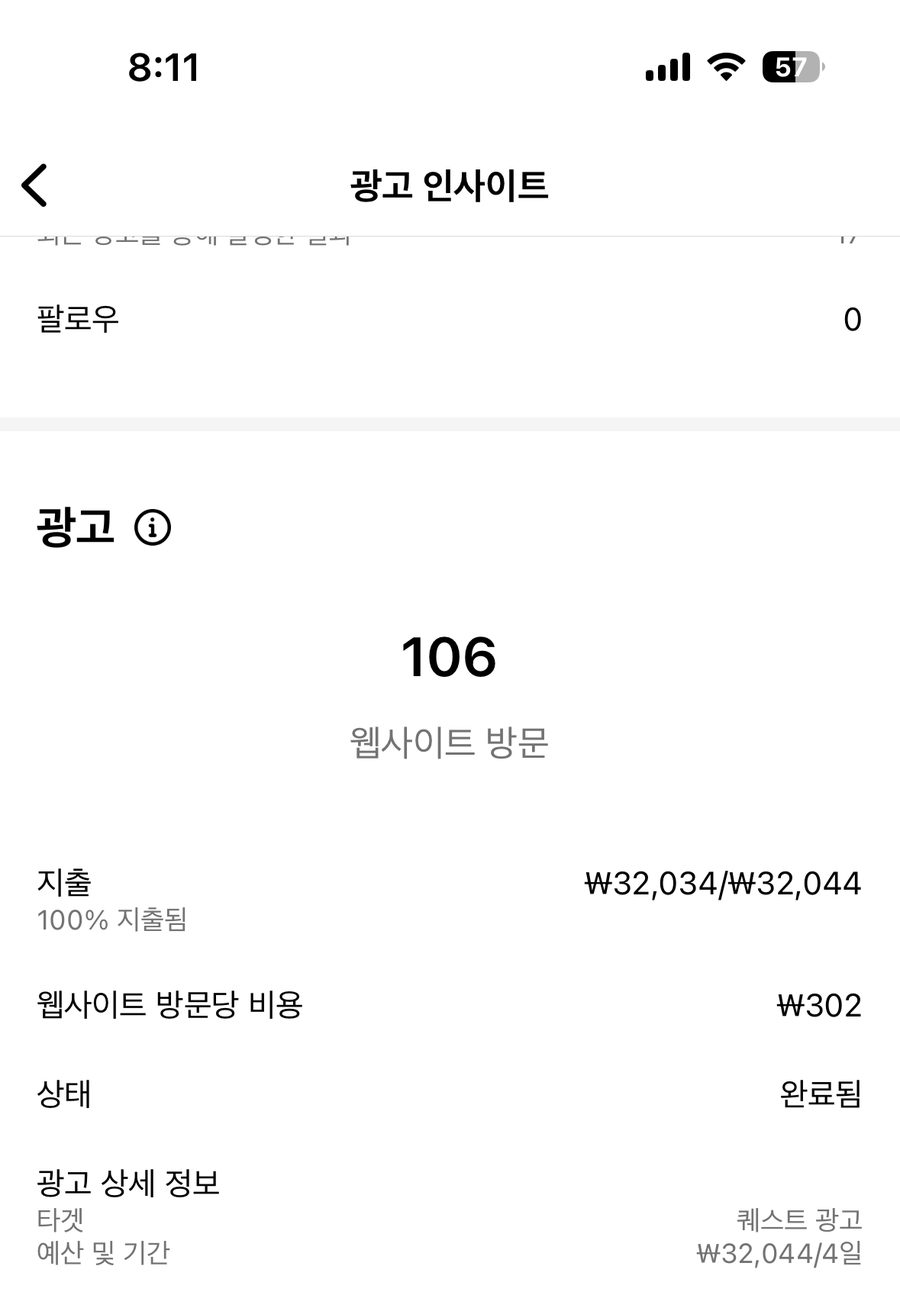
Over four days, ₩32,034 bought 106 visits to the landing page, ₩302 each. Of the people who visited, 42% were 18 to 24 and 41% were 25 to 34, and close to half were in Seoul. Few of them went on to install, but I learned who responds.
The response after launch
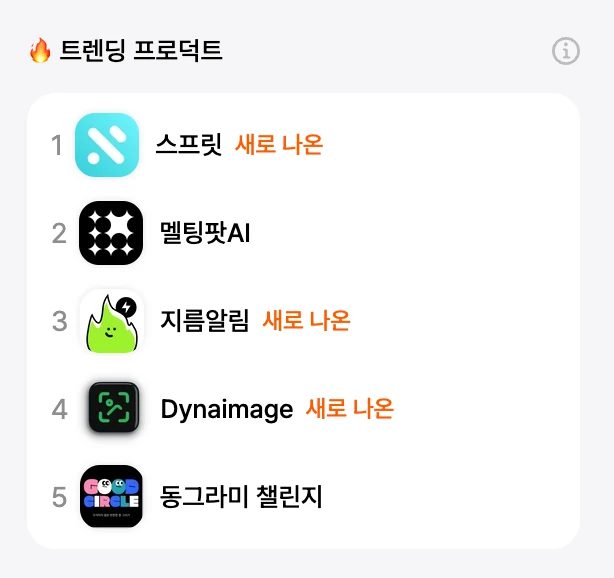
The Disquiet launch post reached number one on the trending list, and most of the feedback came from there.
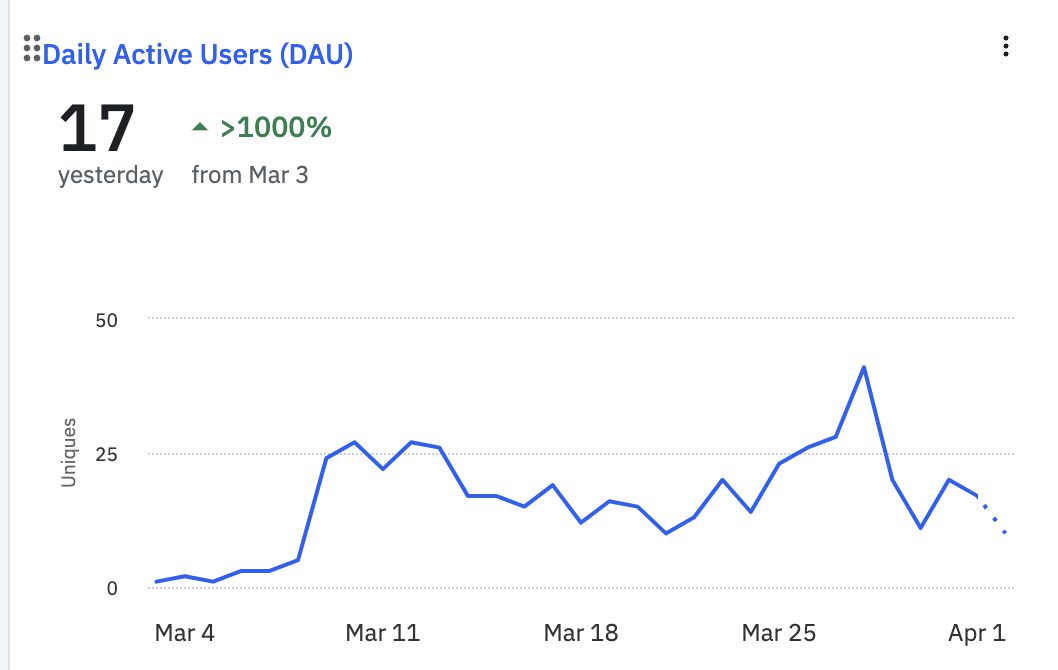
In numbers: landing-page views spiked on every day I posted somewhere and sank in between; new sign-ups started around twenty a day right after launch and tapered off. DAU was 17 a month after 3 March, with one day near 40 in between.
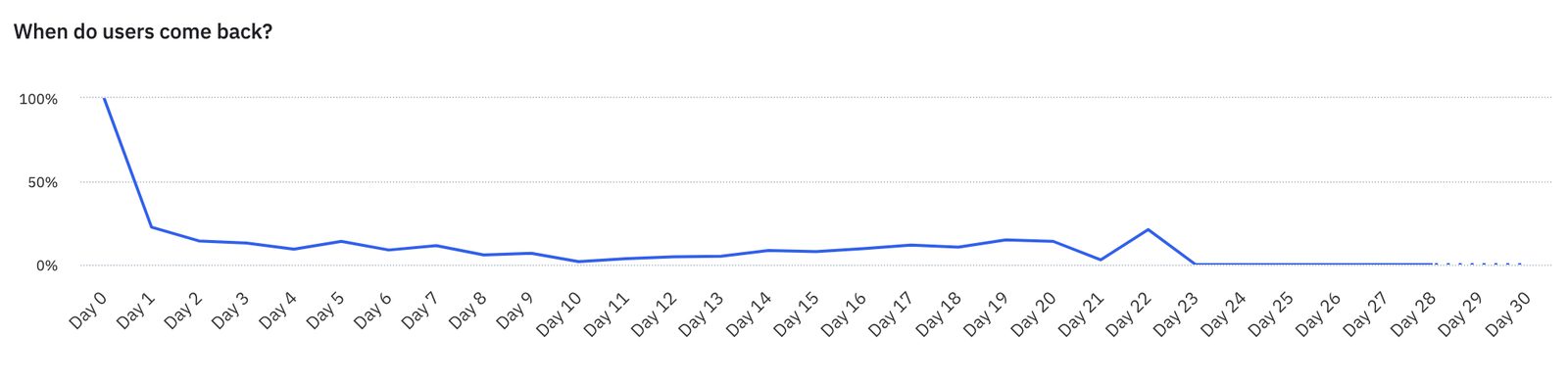
Retention was, honestly, the painful number. The share of users coming back dropped sharply after the first day and stayed flat.
Still, a few things counted as results. A brief appearance at number 99 in the App Store's Books category, number one on Disquiet, and a SELECT COUNT(*) on the users table that was bigger every time I ran it.
Monetisation and marketing
For monetisation I added AdMob. Total revenue for the month: $4.02. The number mattered less than the fact that a path for money to come in now existed.
For marketing I wrote "reading app recommendation" style posts on Naver Blog, Tistory and Brunch to catch search traffic, and spread the word on KakaoTalk. The posts outlasted the ads.
Raising retention
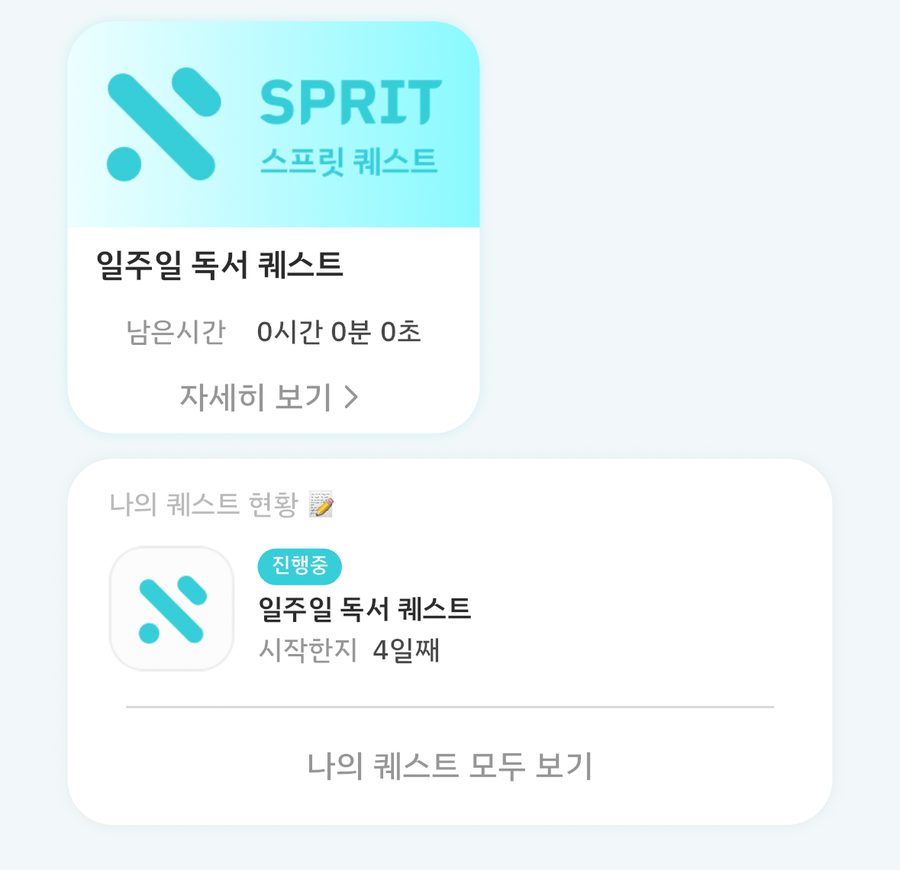
To move DAU, there had to be a reason to come back. That became quests: give a period and a target, like a one-week reading quest, and show progress.
What building a one-person product is like
Three things, as I put them in the talk.
- A career. I wrote that I would like to be able to say "I built and ran an app with 1,000 DAU", with "I wish" in brackets. Not yet, but that is the direction.
- The hexagon founder. Frontend, backend, UI/UX, planning, marketing, leadership. Alone, you end up doing a bit of all of them. It is hard to go deep on any one, but you learn with your hands how they connect.
- Fun. The immersion was its own reward.
And three attitudes. Validate: check that people want it before building. Code: some things you only learn by building anyway. Polish: refine what exists rather than adding more.
So, will anyone like it?
Some people clearly did. Fewer than I imagined, and they leave faster than I imagined. The first month of a solo product turned out to be a search for the few who stay. Learning why they stay was the next step, and quests were the first attempt.
SPRIT is still running. More on the project page.